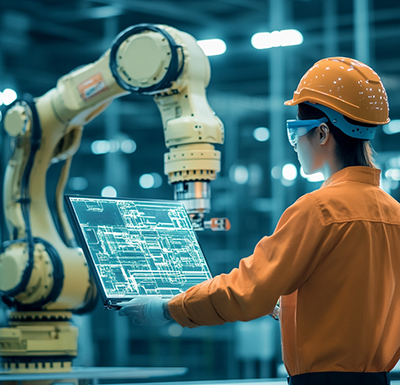
AI For Manufacturing & Construction

Predictive Maintenance

AI-driven predictive maintenance in manufacturing and construction utilizes advanced algorithms to analyze data from machinery and equipment. By monitoring performance metrics and identifying patterns that indicate potential failures, AI can predict when maintenance is needed before breakdowns occur. This proactive approach minimizes downtime, reduces repair costs, and extends the lifespan of equipment. Implementing predictive maintenance not only enhances operational efficiency but also ensures that projects stay on schedule and within budget.
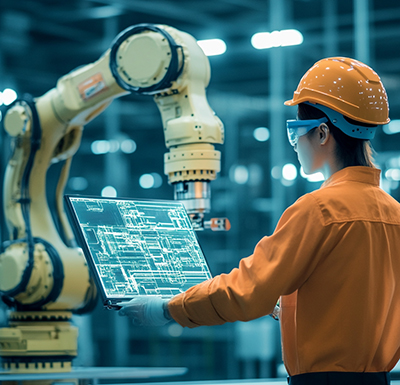

Quality Control and Assurance

In manufacturing and construction, AI enhances quality control and assurance by leveraging machine learning and computer vision technologies. AI systems can inspect products and construction work for defects with high precision, identifying issues that may be missed by human inspectors. By automating quality checks, AI ensures consistent standards and reduces the likelihood of costly errors or rework. This results in higher-quality products and structures, increased customer satisfaction, and a stronger reputation for reliability and excellence.

Process Optimization

AI plays a crucial role in optimizing manufacturing and construction processes by analyzing vast amounts of data to identify inefficiencies and areas for improvement. Through AI-powered analytics, companies can streamline workflows, optimize resource allocation, and enhance productivity. For instance, AI can optimize supply chain management by predicting demand and managing inventory levels, or it can improve construction project management by optimizing schedules and resource utilization. By implementing AI for process optimization, businesses can achieve greater efficiency, reduce waste, and increase profitability.

Business AI and Cybersecurity

Investment in Details

Upgrade your knowledge

  • Getting Started

    Integrate Basic AI Tools. Start with implementing basic AI tools such as chatbots for customer service, or AI-powered software for inventory management and demand forecasting.

    These tools are relatively easy to set up and can quickly demonstrate the benefits of AI in improving efficiency and accuracy.

  • Second Stage AI

    Adopt Predictive Maintenance Solutions. Move to more advanced applications by adopting predictive maintenance solutions. Utilize sensors and AI algorithms to monitor equipment health, predict failures, and schedule maintenance proactively.

    - Reduces downtime. - Extends equipment lifespan. - Saves costs.
  • Optimisation

    Implement AI-Driven Process Optimization: For a more comprehensive AI integration, use AI for end-to-end process optimization. Leverage AI analytics to streamline production workflows, optimize resource allocation, and improve project management. This may involve investing in AI-powered software platforms that provide real-time insights and recommendations for continuous improvement in manufacturing and construction operations.