AI For Agriculture and E-Farming

Precision Agriculture

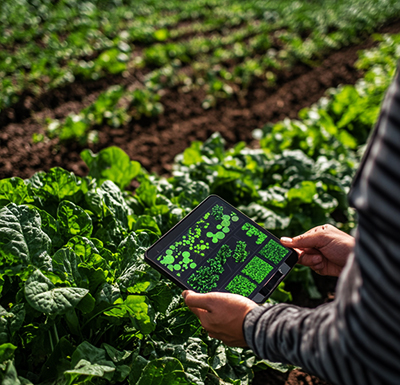
Precision agriculture leverages AI to optimize farming practices by collecting and analyzing data from various sources such as soil sensors, weather stations, and drones. This data-driven approach allows farmers to make informed decisions about planting, fertilizing, and irrigating crops. By applying the right amount of resources at the right time and place, AI helps increase crop yields, reduce waste, and lower costs. This not only enhances productivity but also promotes sustainable farming practices by minimizing the environmental impact.
Crop Monitoring and Management

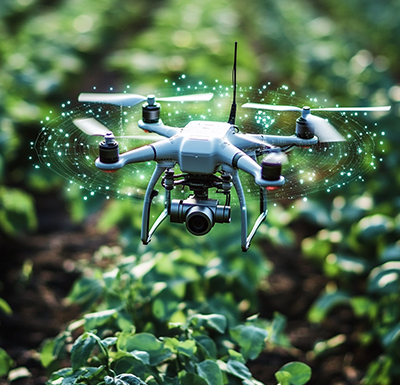
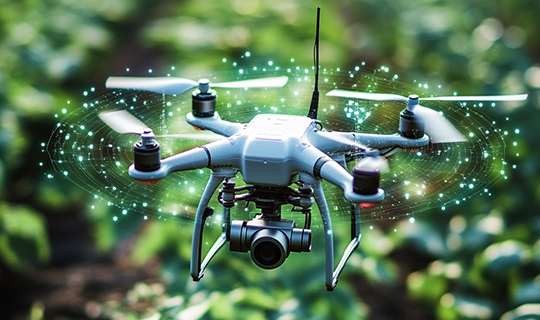
AI-powered tools for crop monitoring and management provide farmers with real-time insights into the health and status of their crops. Using advanced image recognition and machine learning algorithms, drones and satellite imagery can detect early signs of disease, pest infestations, and nutrient deficiencies. This enables farmers to take proactive measures to protect their crops, ensuring better harvests and reducing the need for chemical interventions. With AI, farmers can achieve more precise and effective crop management, ultimately leading to higher quality produce.

Automated Farming Equipment

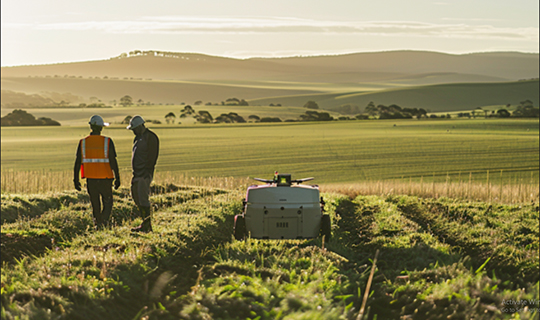
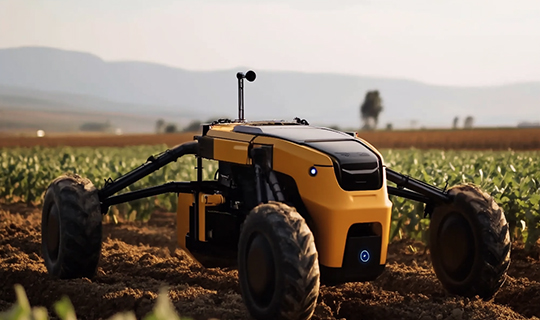
AI-driven automation is transforming traditional farming equipment into smart machines capable of performing tasks with minimal human intervention. Autonomous tractors, harvesters, and planting machines use AI to navigate fields, perform operations with precision, and adapt to varying conditions. These intelligent machines increase efficiency and productivity by working around the clock and reducing labor costs. Additionally, they help address labor shortages in agriculture and enhance the overall safety and reliability of farming operations. By embracing AI-powered automation, farmers can modernize their practices and achieve greater operational efficiency.

Business AI and Cybersecurity

Investment in Details

Upgrade your knowledge

  • Starting Small

    Farmers looking to start small with AI can begin by incorporating a few accessible and affordable technologies into their operations. Some ideas:

    - AI-powered soil sensors to monitor moisture and nutrient levels. - Smartphone apps equipped with AI for pest and disease identification. - Drones for crop monitoring.
  • Expanding AI Use

    To take AI integration to the next level, farmers can expand their use of advanced technologies and automation.

    - Self-driving tractors and harvesters - AI to analyze data from various sources. - AI-driven predictive analytics optimizing planting schedules and crop selection.
  • Business of Farming

    AI significantly enhances the business side of farming by providing data-driven insights that optimize operations and profitability. Through predictive analytics, AI can forecast market trends, enabling farmers to make informed decisions about crop selection and pricing strategies.

    - supply chain management tools streamline logistics. - AI can helps farmers manage budgets, track expenses, and maximize returns on investments. - Achieve greater efficiency, reduce risks, and increase their overall competitiveness in the agricultural market.